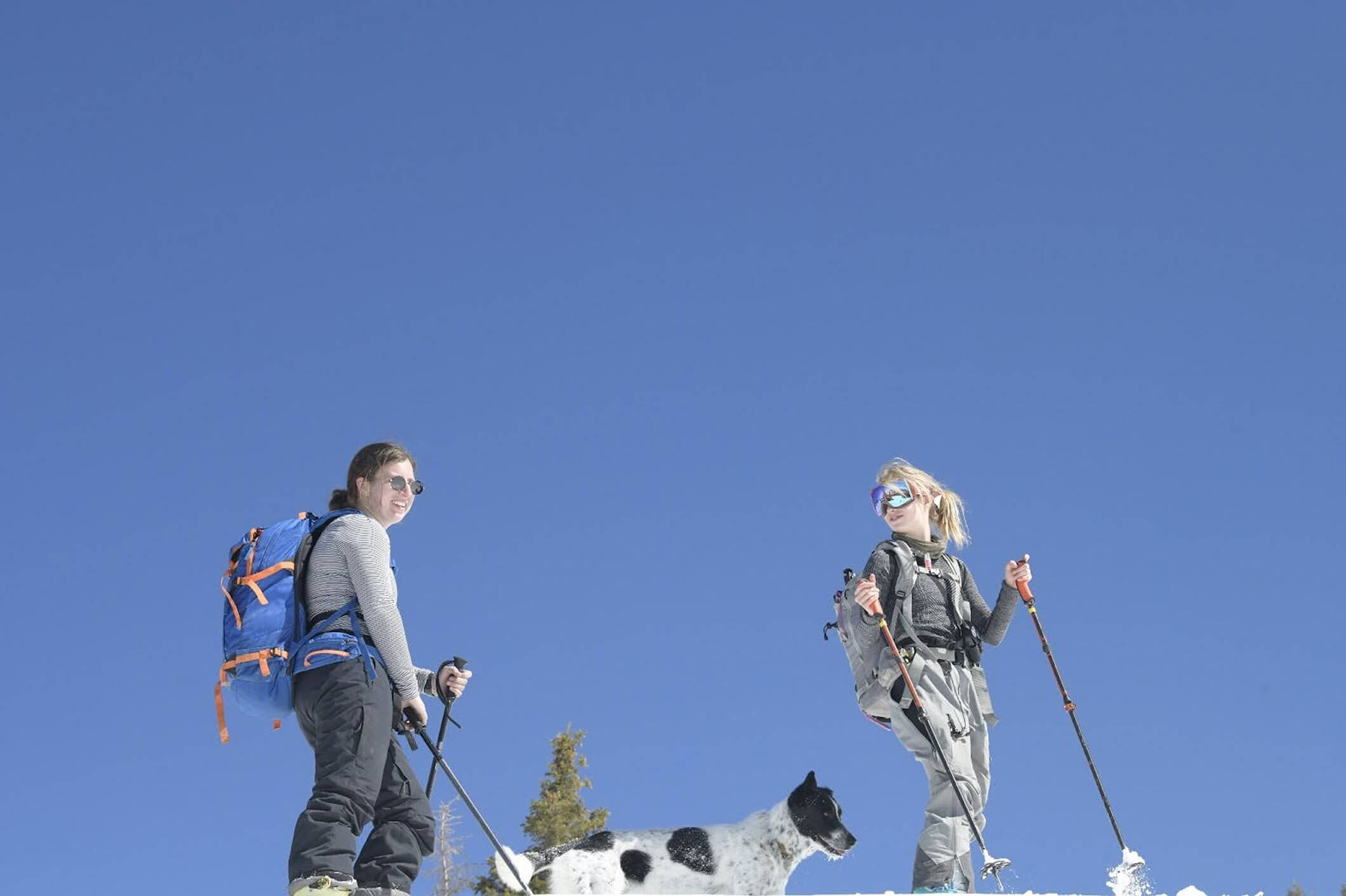
BOULDER - What once was, for the few and far between, a haven of limitless skiing terrain void of people, has now seen hoards of new backcountry skiers, most unequipped with the necessary knowledge of avalanche safety.
While this has been an ongoing trend even before the pandemic started, the COVID-19 crisis certainly exacerbated it. During quarantine, increasingly people felt an intensified need to go out and get some fresh air, yet with the ski resorts shut down and or with heavy limits and restrictions in place, more sought the backcountry.
“The number of people in the mountains that you see compared to the way it used to be has been tremendous” said Chris Bell, an experienced backcountry skier, first starting back in the early 90s, “From snowboarding to alpine skiing, AT [alpine touring] setups, the equipment has made it quite easy now for people to learn backcountry skiing compared to the way it used to be.”
During the winter most of the time what we are doing are body recoveries
— Hildner said
According to Eric Henderson, Snowsports Industries America spokesperson, by November 2020, backcountry ski sales were up 81 percent, backcountry snowboard sales were up 146 percent, and the backcountry accessories category—which includes safety gear like beacons, shovels, probes, and climbing skins—was up 150 percent.
Andrew Hildner, spokesperson of the Rocky Mountain Rescue Group, said “. Fortunately, there has been a corresponding increase in terms of people wanting to get that education but you are still having people that are more interested in getting good turns in and are still learning about how to read snow and still not having had direct experience with how avalanches occur or how something that looks benign could turn pretty menacing pretty quickly.”
There are a lot more people buying the gear and getting into backcountry skiing
— Hildner said
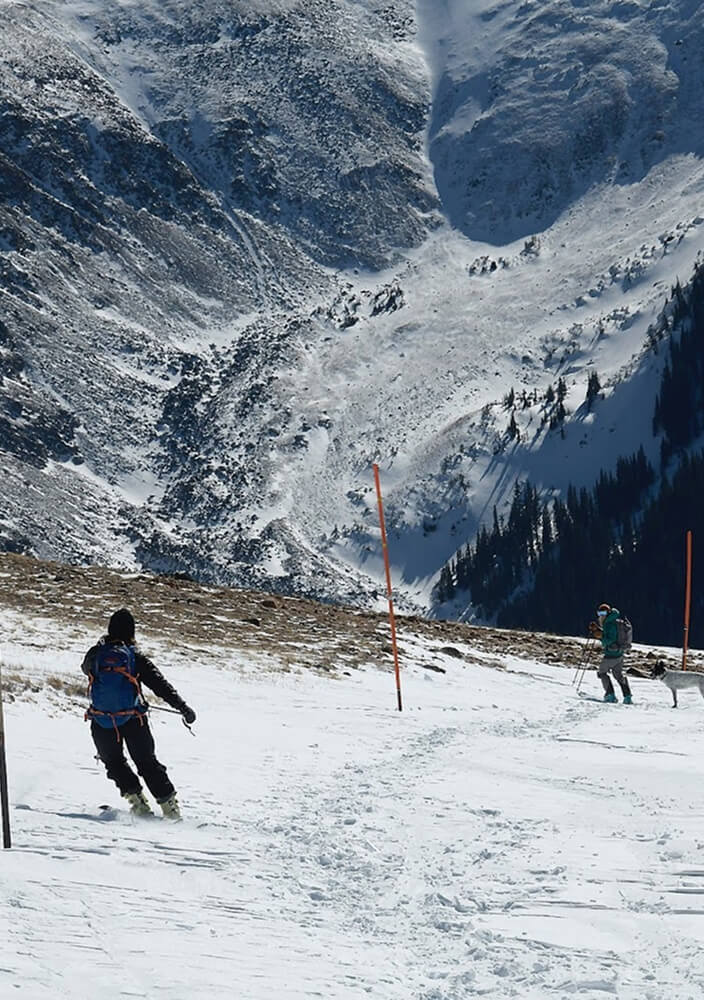
While these numbers look great for the snowsport gear industry, people like Hildner who work in search and rescue, their efforts have been much more in demand, unfortunately with not so happy endings.
One of the most memorable avalanche calls Hildner remembers was a mutual aid with Alpine Rescue out at Saint Mary’s Glacier where someone got swept into the lake. After many hours in blizzard conditions probing at the edge of a refreezing lake and not being able to see the slopes above them loading they made the call to stop the search, the risks outweighing the reward. Only when the ice eventually melted a couple months later was the victim's body recovered.
For avalanche forecasters the sheer number of people accessing their forecasts have increased tremendously, and while their job hasn’t really changed at all, in that their job has always been to put out the best, most accurate forecasting information they can so people can use it to make informed decisions, Deputy Director of the Colorado Avalanche Information Center, David Lazar says, “The challenge it did present to us was a change in the demographics of our audience a little bit and so we had to really think about how we were going to reach people who may not know we exist even, or where our website is or how to get an avalanche forecast, and so we had to think outside of the box a little bit.”