It is 12 p.m. on a Saturday in the year 1983, when 14-year-old Amy Eldridge clocks in for her shift at a boozy little fish and chip diner in the south end of Boston, Massachusetts. That day Amy learned that the way to the top wasn’t going to be pretty.
On her back she lugs her trusty beat up backpack to do her schoolwork in between shift breaks. Amy always dreamed about working in a restaurant one day, she would be the woman in charge, donned with a toque blanche and the power to feed people's souls.
She hangs her backpack in a locker, ties an apron around her waist and continues walking in through the kitchen greeting her team members as she goes. Sous chef, Michelle, greets her with an open smile and asks her to kindly grab some veggies from the walk-in for her. Amy deepily admires Michelle and happily obliges.
Amy saunters back through the narrow kitchen yelling “Corner!” as she turns and makes her way into the fridge.
Upon entering she nearly collides with head chef Michael. He towers over her as he chuckles, “Easy there Amy.”
She stutters, “Uh sorry chef.”
She doesn’t look up as he closes the gap between them.
“You know Amy” he says, “I was thinking since there's two Amys that work here and it gets quite confusing, I think I’ll call you jailbait.”
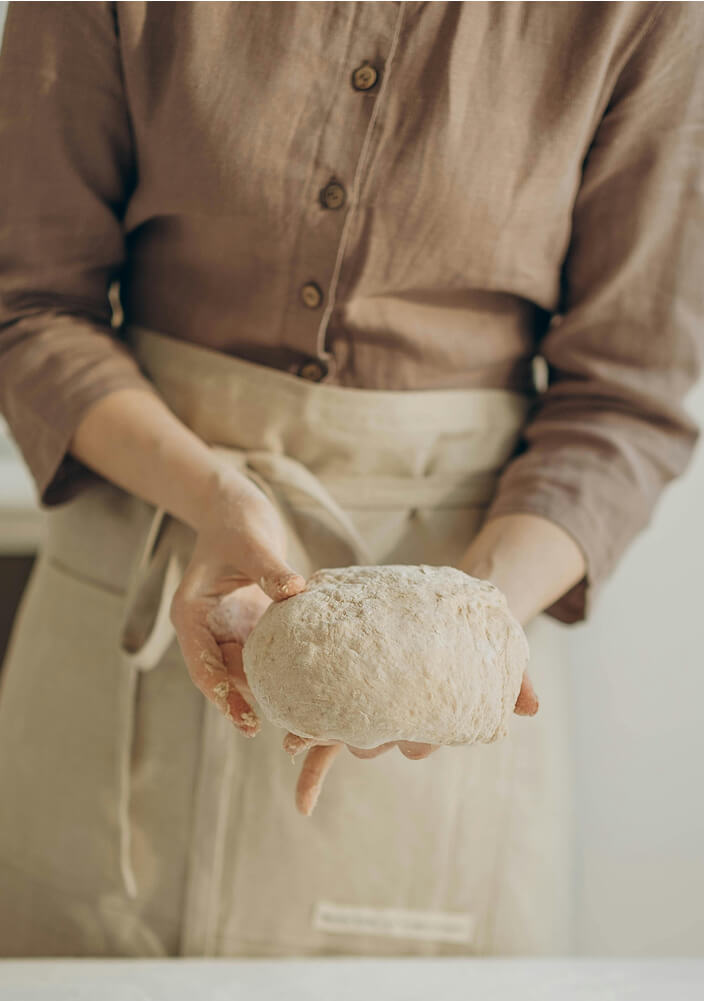
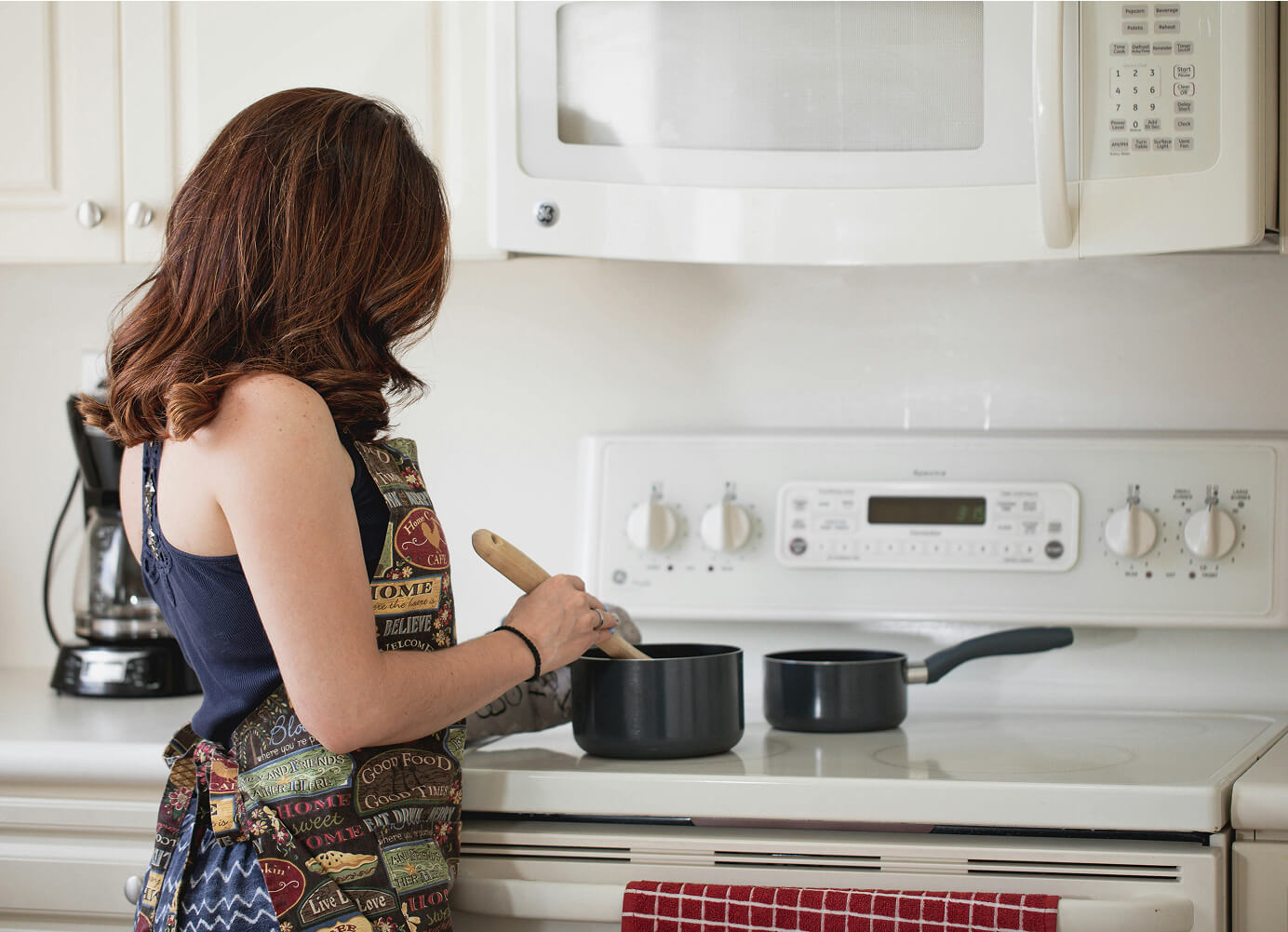
“A woman’s place is in the kitchen” this is a well-known phrase often asserted as a disparaging remark. While factually and historically this phrase has rung true, with a large majority of women holding positions as maids or cooks for the wealthy and occupying the space in their own homes, nowadays kitchens, at least in the professional world, are considered spaces for men. Where the kitchen used to be a space for the confinement of women, they have become a space for the refinement of men’s egos.
The reality is, today, for most female chefs the path to success is fraught with distress. According to the Bureau of Labor Statistics, 51% of students at the Culinary Institute of America are female yet only 21% of head chefs in the U.S. are female. So while there is a fair amount of women wanting careers in the kitchen, something or someone is stopping them.
Front of house statistics paint another story and may suggest a value that our society holds sacred: Women, while not good enough to be in positions of power making the food, are more than welcome to serve it.
A woman’s place is in the kitchen
It is the year 1993, 24-year-old Amy Eldridge is now living in Santa Fe, N.M., a rising scene in the food industry. She works at Geronimo, an up and comer, having opened a few months before her onboard. It occupies Santa Fe’s historically recognized Borrego House, a distinguished territorial-style hacienda dating back to 1756. She works as a sous chef under a head female chef, the only female in the area to occupy such a position. Cooking, it feels like, is all Amy knows how to do and Santa Fe is the place to be. Each day in the kitchen, Amy gruels away, running on adrenaline, and when she clocks out, that high lasts: she spends the early morning hours of the next day partying with her fellow restaurateurs, cutting the high with a beer and some cigarettes. Nonetheless, Amy was working 90 hours a week and fully enwrapped in the chokehold of the industry.
It is 2 p.m. on a random day in 1993. Amy is walking through Geronimo handing out paychecks to the prep cooks. As sous chef, she’s salaried but they get paid hourly, and if they have worked overtime, they get time and a half. As she is sorting through the envelopes she is startled by the numbers she is seeing on the checks. They are making more than her, more than a sous chef, as prep cooks.
“I really had to get up the courage to speak to the owner. I was so scared but I also knew deep down that I had to stand up for myself. I told the owner that I needed a raise, that I can’t be making less than the prep cooks are making, that I work my ass off for this restaurant and to be undervalued like this is unacceptable. That day I learned that advocating for yourself is so important. That day I was given a raise on the spot.”
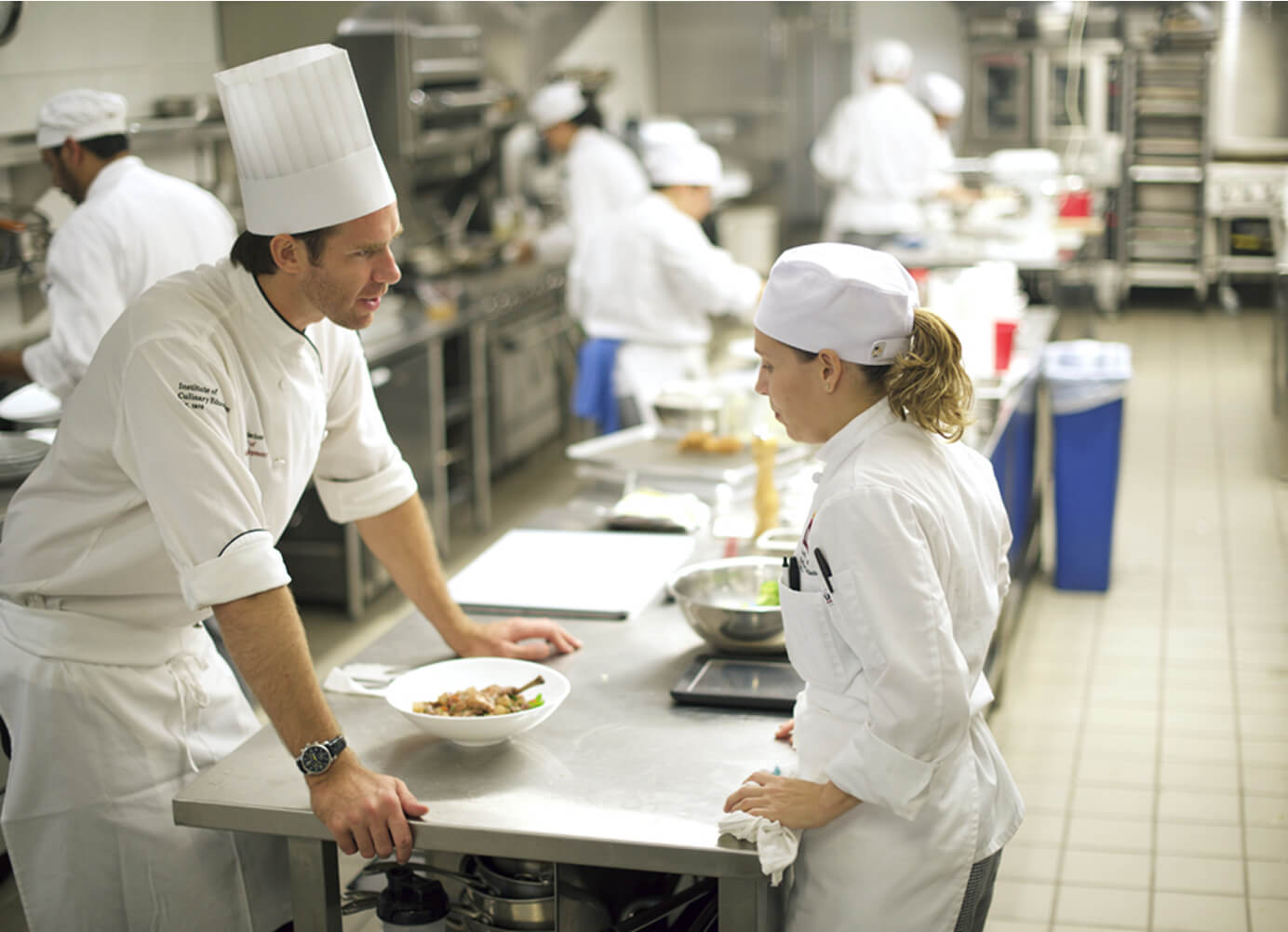
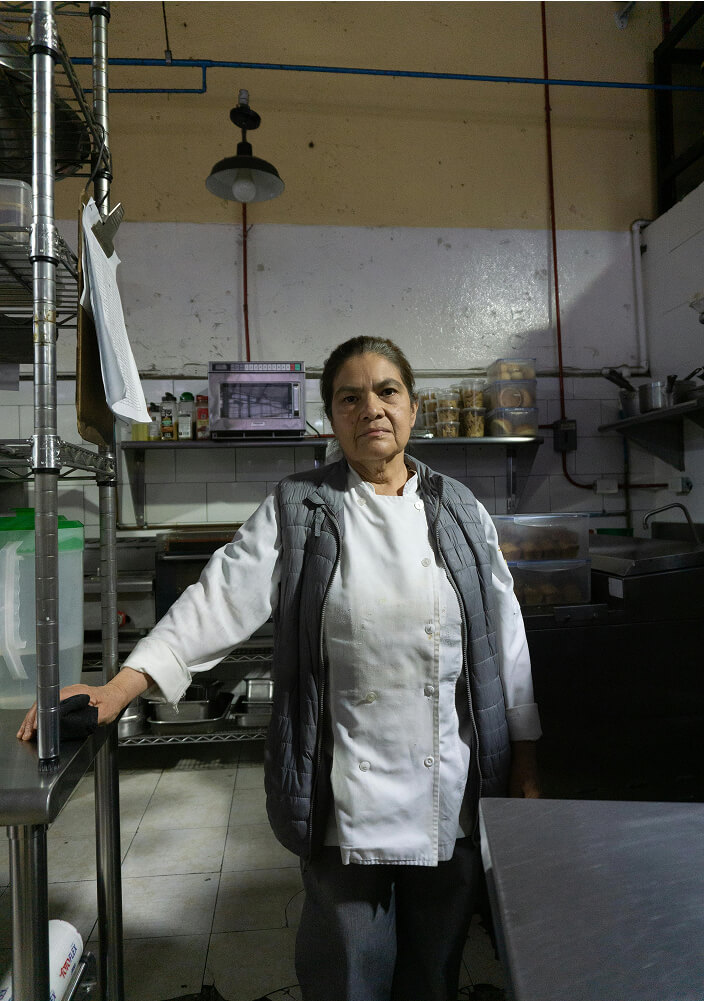
A young girl sits at the countertop in awe as her mother whips around the kitchen, stirring, chopping, pots clanging. It is a chaotic dance, aromas fill the kitchen and pans fill up the sink. Family friends start to congregate around her, drawn in by the decadent smells. Chatter ensues, her mother is as fully entrenched in the cooking as she is in the conversation. Her mother is a conductor, creating an experience for her loved ones. The kitchen is alive as young Scarlett Hartzog dreams of one day running her own kitchen. I sat with Hartzog and asked her how her passion for making food began. With no hesitation, she stated wholeheartedly, “my mom.”
For most young chefs, the passion arose similarly, maybe it was a grandma, grandpa, father, some relative or friend that through their cooking imbued this deep passion for crafting meals filled with love. For others it could have been a famous unreachable chef like Gordon Ramsay, Bobby Flay, Anthony Bourdain, or Guy Fieri that ignited that fire. If you notice, all these names are accomplished male chefs. That is not to say there aren’t accomplished, well known female chefs, but the names that come to mind, Martha Stewart and Julia Childs, are female chefs mostly known for their cookbooks. So is our society suggesting that female chefs are good for home family cooking, but if you want a professionally cooked meal you must go to a restaurant with a top head male chef?
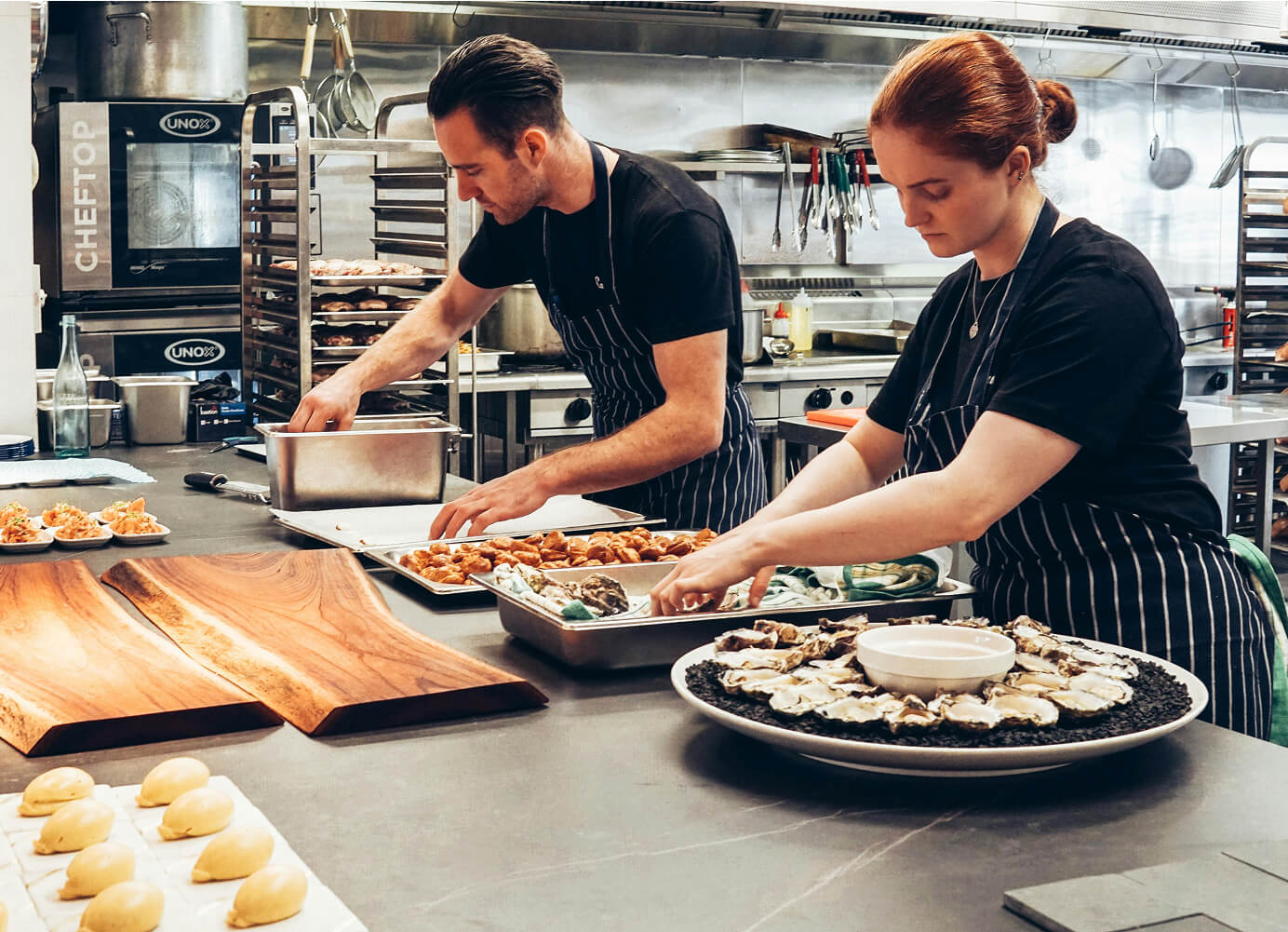
As the years go on and the young chef in the making reaches working age, they are usually drawn to restaurant work. A trajectory that usually begins with working in the front of the house, and slowly working your way up the ranks. For some, family connections make this trajectory faster, for others it is a constant battle of proving themselves.
For those lucky enough to attend, culinary school is the conventional path. A place where they can learn from the best in the industry, hone their skills and develop ways in which they can express their creativity and ultimately set them up nicely for success in the field. However this path, while conventional, does not mean proven success.
Considered a boy’s club, the back of the house is often a locker room of aggressive sexist behavior. So even when women take positions in the restaurant industry, often in restaurants without female leadership, the work culture for female chefs and servers is often described as strained at best, toxic at worst. Women must either deal with the cutthroat, and at times, hostile, environment, or find a way to shape the environment more to their liking.
“There's definitely a lot of sexual innuendo in the kitchen, and just dirty jokes and gross comments,” Hartzog says. “But me personally I don’t mind it cause I am the type of person who can give shit back to whoever's saying it usually.”
For others, it sometimes means making the decision to explore other avenues in the food industry. For example, Zippia's data science team found that 64.3% of all pastry chefs are women, while 35.7% are men. There is also a higher proportion of females in catering as well
with 57% of all caterers being female. This might suggest far less toxic and sexist work cultures in these sectors.
For chef and founder of FoodLab, Casey Easton, another avenue was the right decision. Easton founded a recreational culinary school here in Boulder that offers a range of different cooking classes to skilled and amateurs alike. She herself was on the traditional restaurant chef trajectory but after witnessing the culture as a waitress and then eventually spending four days on the line at a restaurant, she found the environment too toxic.
“The line is not a very nurturing place to be, it's very harsh and it's intense, and it's not that women can’t do it but we wind up not wanting to work in a restaurant because of that energy” she says.
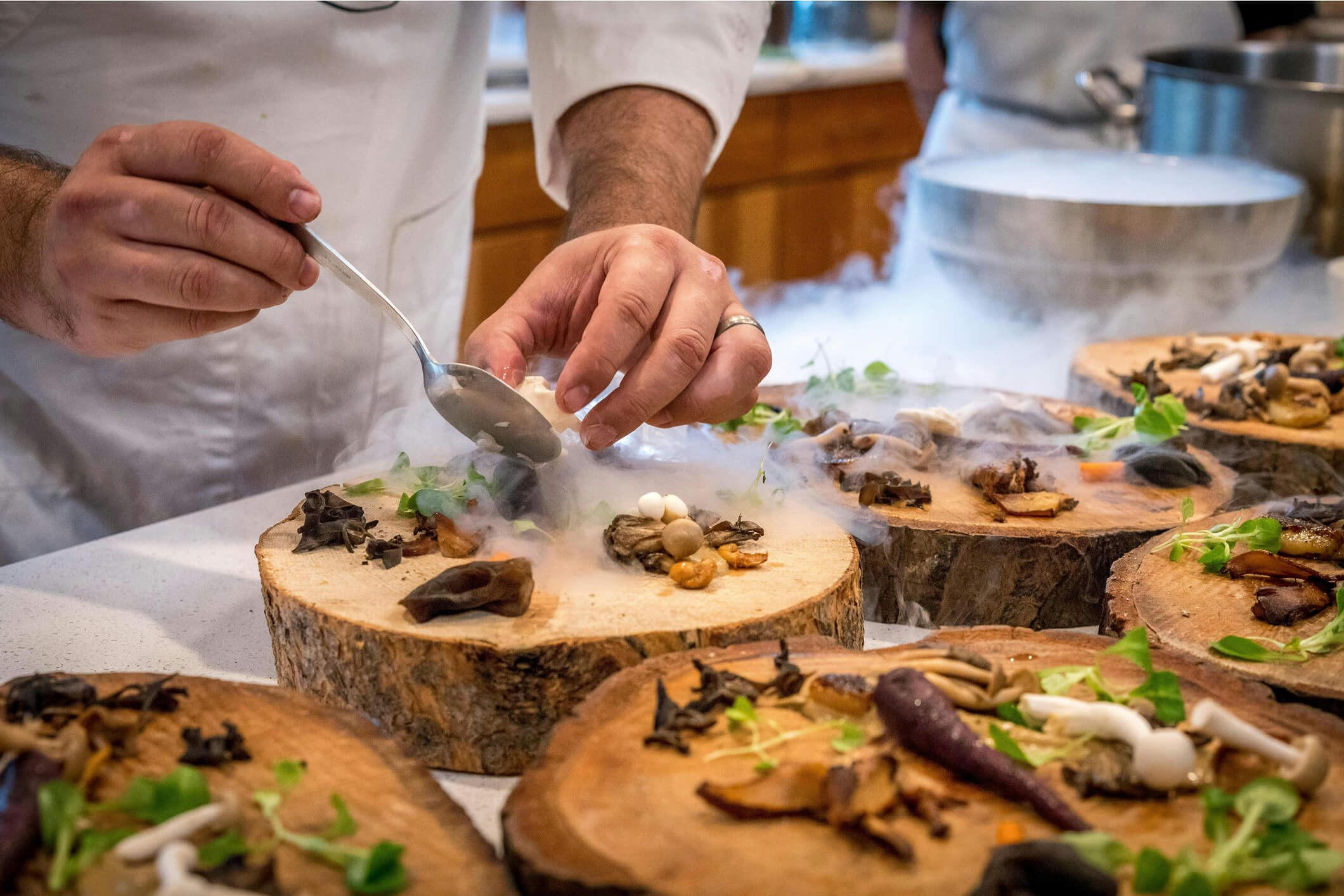
Easton has established a community among her fellow female chefs that took different avenues after finding the restaurant industry too toxic. She believes the gravitation to these different avenues is more suitable to a lot of women because it feels more nurturing and aligns more directly with why they got into this industry in the first place.
“Our world is such a contradiction. Girls are supposed to learn how to cook and take care of you but not get compensated for it” Easton says.
For everyday people, glimpses into top kitchens and how they operate often come from watching shows like Hell’s Kitchen and Top Chef. From there the glorified images of angry male chefs barking commands seem to encapsulate people’s thoughts of what a chef is and what a chef ought to be. A picture of Gordon Ramsay in the back yelling at people, calling them donkeys in his British accent is more familiar to us than a female top chef.
“There is definitely this reputation that chefs are hot heads. Shows like Hell's Kitchen have created this stereotype, that can sometimes ring true in that tensions can definitely get high with stressful situations and passions are elevated but for the most part if you are in a kitchen where everyone respects each other, the environment is more electric and less toxic” says Eldridge.
Scarlett Hartzog, dreams of one day opening a traveling farm to table kitchen. She has worked in many kitchens with both male and female chefs and has often found the best kitchens to be made up of females. Hartzog did not go to culinary school but instead worked her way up the chain of command through hard work and people skills.
“Through working under female chefs I have been able to calmly learn everything. I've worked with guy chefs before too and I've noticed they stress out over tiny things whereas women chefs can multitask and be calm about it. Women don't beat eachother up in the kitchen; they're not gonna put other people down like a male chef would” Hartzog says.
Working in a kitchen, Hartzog believes, you need to be a special type of person. From being the type of person who can take the onslaught of sexual innuendos and dirty jokes from coworkers, to the type of person who can work long arduous odd hours. The restaurant industry requires a thicker skin.
“It's just such a crazy job and crazy hours and you kinda just have to be insane to do it forever.”
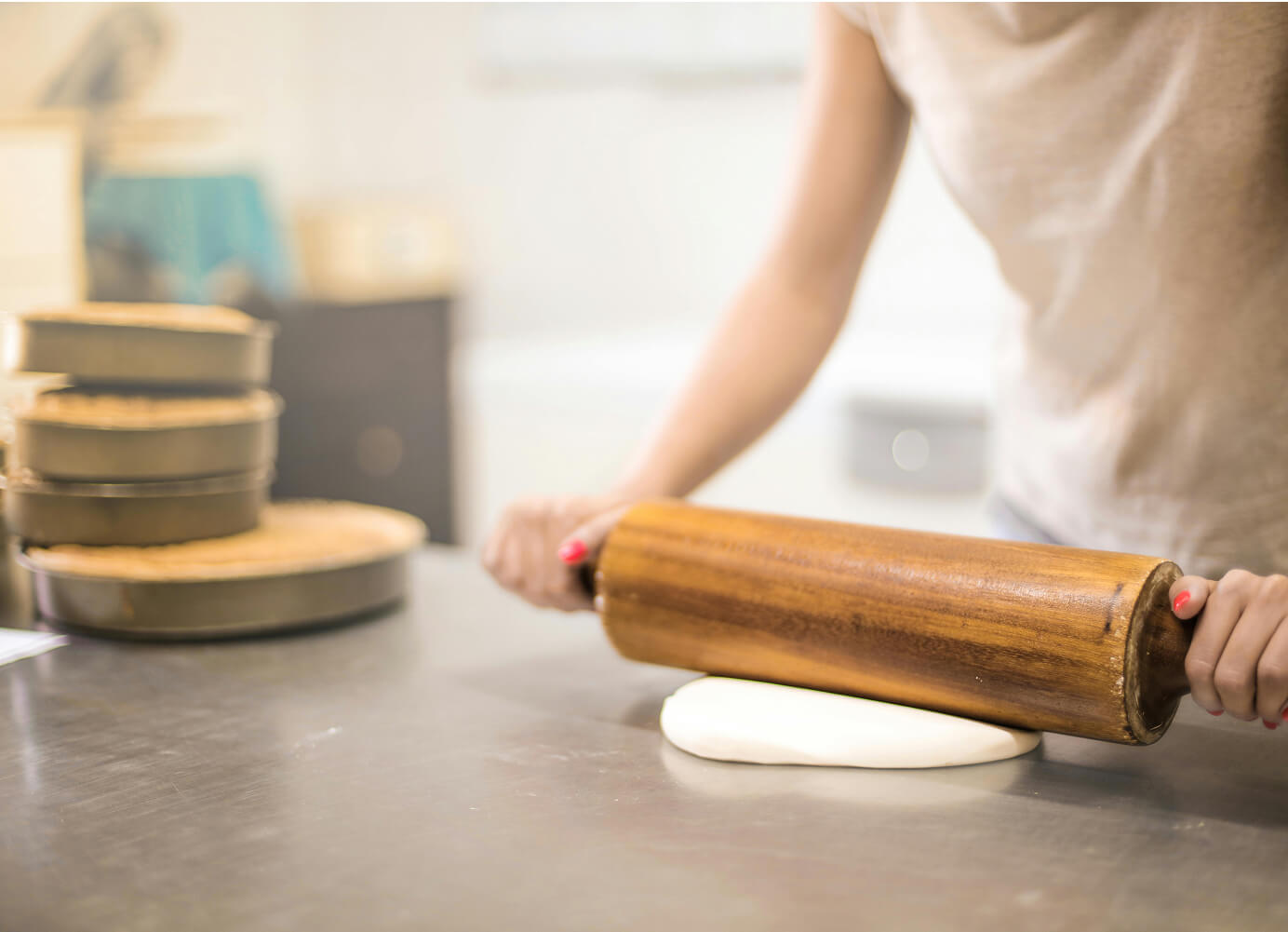
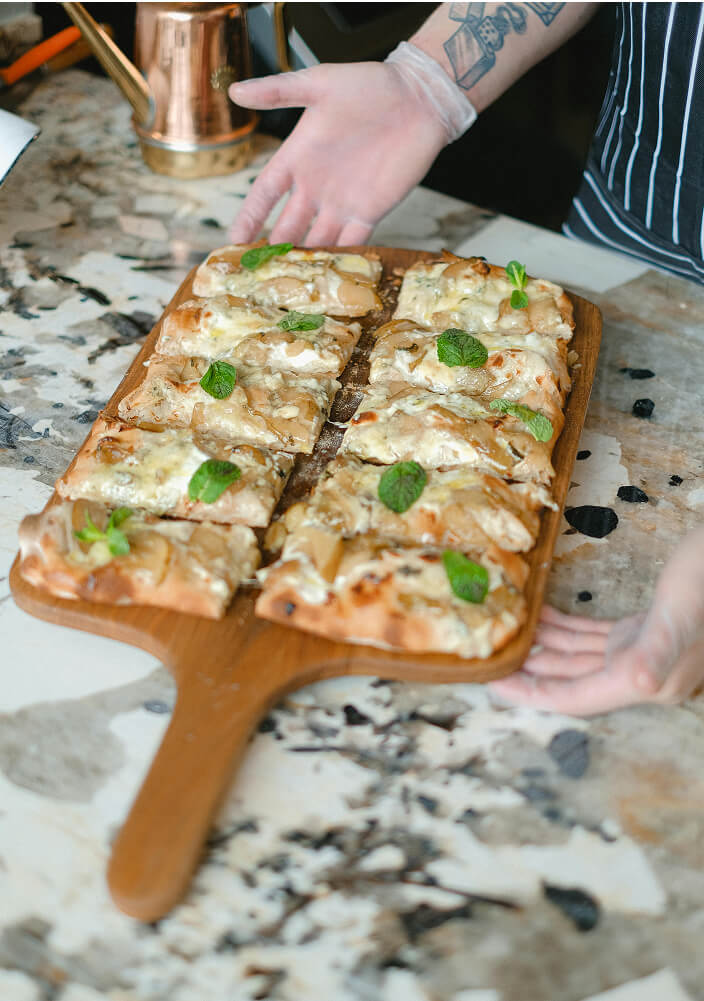
Kathleen Vossenberg, vice president of academic affairs at Auguste Escoffier School of Culinary Arts in Denver, sees it similarly. “When you work in a restaurant you're physically exhausted, because it's such a tough physical job, people do it because they love it. To be successful in this industry you have to have a strong personality.”
The culture in the back of the house permeates throughout the whole restaurant, with front of the house workers feeling its effects. Sierra Zane, a seasoned vet in front of the house work, says, “Being a young female in the industry I felt like the attention was on me. In the restaurant industry as a whole you kinda have to have this grit in yourself. I have the personality type that can take the heat but for a lot of people it is intimidating, and unless you love it there's a thought of why would you want to subject yourself to that.”
Not only is it a physically exhausting industry but it is also mentally draining. However, under the right leadership the space can feel more nurturing and less antagonistic. For Hartzog she has found that female leadership in the kitchen is the key to this nurturing environment. One memory stands out prominently for Hartzog. It was the night she had her first panic attack while working in the kitchen.
It is 6:30 p.m. on a Saturday night. It is super busy, Saturday night is universally understood as date night. Scarlett is whipping around the kitchen getting things on plates, prepping veggies for entrees, dressing salads. Her head is spinning when her phone goes off in her apron. Lit up on her phone screen is a message from her newly established boyfriend, “I think we should just be friends” it reads. She scoffs, in disbelief, by just how poor his timing is, during rush hour of all times. She motions to head chef Rachel that she's going to take a five. She is lucky to be under the management of Rachel, most other restaurants just allow bathroom or smoke breaks. Stepping out the backdoor into the alley she attempts to recenter herself for the night ahead, but her breaths come out short and shallow. She sees now why many chefs kick up a smoking habit. A cigarette would be a welcome distraction. She looks down at her soiled sneakers right as a cockroach scurries over her laces. Most other times she would let out a shriek, but this seems perfectly in tune with the direction her night is headed. A rustling sound coming from the dumpsters startles her as she turns to see a homeless man relieving himself behind her. Deciding there is no fresh air to be gotten outside she returns to work and begins plating cheesecakes for some tables, five of which she drops on the ground.
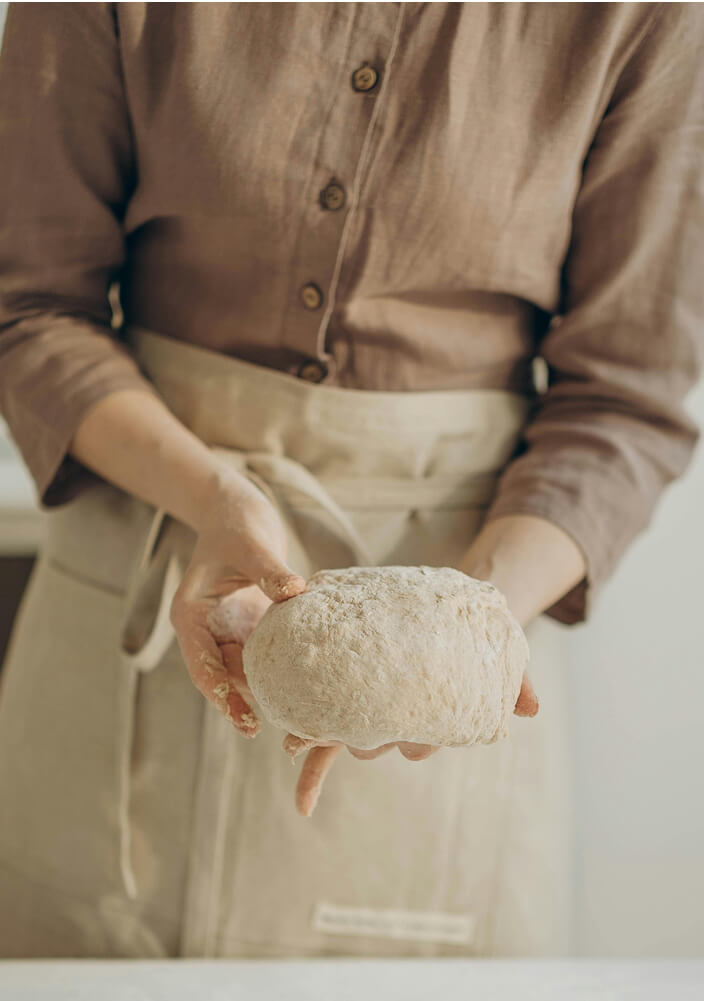
I just immediately started crying and hyperventilating but because of the kitchen I worked in
— She recalls
Because it was so women influenced, literally everyone was around me taking care of me making sure I was ok. Even the head chef stopped what she was doing and went for a walk outside with me to calm me down and talk to me.”
Vossenburg, in holding a top executive position at a culinary school now and having gone through it when she was younger, can say that there is some promise in the industry looking forward and that times are changing.
“When I think back to my culinary school experience I was one of two women in my class, so it was definitely a very male dominated school structure or focus, to the point where I even joked about it, that how can women possibly wear these chef coats or pants cause they simply didn't fit, they were created for the male body. In the number of kitchens I worked in as a professional I was one of one or two women in those kitchens as well but these things have changed over time.”
At Auguste Escoffier School of Culinary Arts, Vossenburg works with the future chefs of our day and the student body is more heavily skewed towards women. However she is aware of how that doesn’t necessarily translate into the gender makeup of executive chefs in the workforce. She says there's a few reasons for this: one is that times need to catch up and the people who are in school now will eventually get out into the workforce and those numbers will hopefully climb. Two, part of it is the changing industry, that previously it was quite difficult to work as an executive chef in the industry and have a family.
“Working at a restaurant is not family friendly at all. I mean you’re working nights, you're working weekends, you’re working holidays. Being a head chef in a restaurant and wanting to have a family or be around for your kids is very difficult. You’re just not around. It's all consuming” says Eldridge.
Eldridge hypothesizes that the reason why there are and have been so few female head chefs in the industry is because of the clashing logistics of raising a family and doing this type of high intensity, all consuming work. So while there may be females getting discouraged by the toxic aggressive work environment at play in many restaurants, there may also be females who want to raise and have children and find that this industry isn’t so compatible with such life paths. While some women truly want to stay home, the social pressure for women to stay home as uncompensated homemakers and caretakers remains.
Eldridge is now 50-years-old. She lives in Marblehead, MA now referred to as Mrs. Robertson, having taken her husband’s last name. She has three children and is retired from the restaurant industry.
I worked until I had my first child, and then I had a personal chef business for a little while
— She recalls